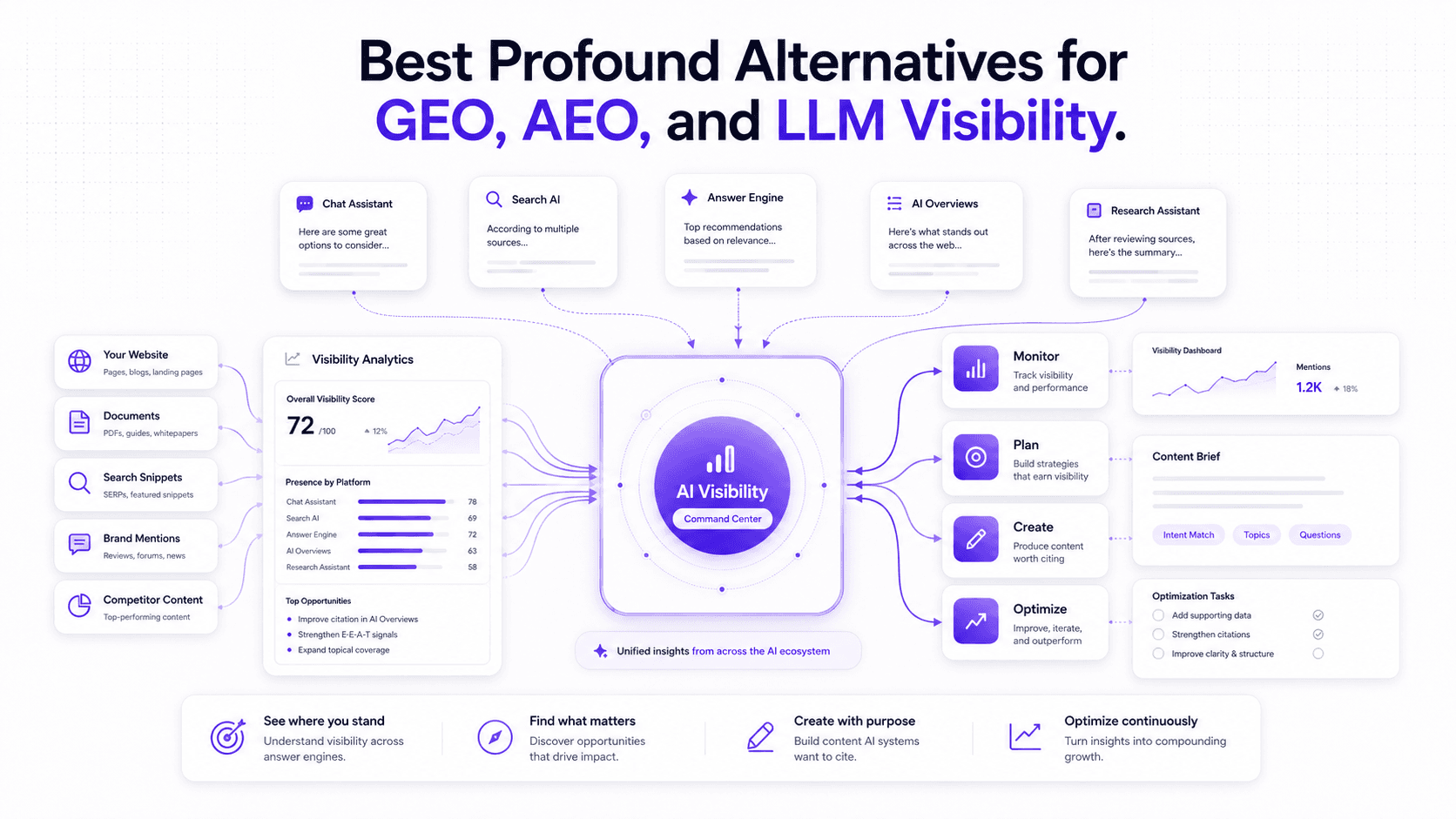
You’ve probably taken a hard look at Profound. You’ve sat through the demos, you’ve felt the ground shifting from blue links to answer engines, and you’ve accepted the new mandate: understand your AI visibility before it becomes someone else’s advantage. The sticking point isn’t the problem; it’s whether Profound is the right way to solve it. I’ve been there. For more than a decade, I’ve watched new marketing-tool categories form the same way: an expensive, enterprise-first leader defines the space, then a wave of more practical, more accessible, and often better alternatives shows up right behind it.
That’s where Generative Engine Optimization (GEO) is right now. Profound is a strong analytics platform, and it’s genuinely good at showing how you show up in AI-generated answers. The catch for a lot of teams is that it can feel "read-only": it surfaces the visibility problem, but it doesn’t help you produce the content that fixes it. Add a starting price that’s nearly 50% above the market average and features tucked behind custom enterprise contracts, and the search for a credible Profound alternative starts to make a lot of sense. Below are options that do more than hand you a dashboard and wish you luck.
Quick Look: The Best Profound Alternatives
| Tool | Best For | Pricing | Key Differentiator from Profound |
|---|---|---|---|
| Vizup | Teams that want visibility gaps to turn into shipped content | Custom | Pairs monitoring with a concrete content action plan |
| Search Atlas | Agencies that need SEO + GEO in one platform | Starts at $99/mo | Full-stack SEO suite plus an AI agent (OTTO) that implements fixes |
| AirOps | Content teams that scale output through AI workflows | Free plan; Paid from ~$200/mo | Built around operationalizing content creation and refresh systems |
| Gushwork | Businesses that want lead gen handled for them | Starts at $800/mo | A managed service rather than a self-serve software product |
| Semrush | Teams already living inside Semrush | Starts at $139.95/mo | Layers AEO/GEO tracking onto a familiar, broad SEO platform |
| BrightEdge | Enterprises that need automation and integrations | Custom | Automation-heavy add-on within an established enterprise SEO suite |
| Comparison of top alternatives to Profound as of Q2 2026. |
Why Look for a Profound Alternative?
Before we get into the shortlist, it helps to name the friction points that push teams off Profound. It’s excellent for a particular profile: a Fortune 500 brand with an AEO specialist and separate content and PR teams ready to operationalize whatever the dashboards reveal. Outside that world, the complaints tend to cluster around a few themes:
- Insight without action. The most common gripe: Profound is built to measure, not to execute. You can get a crisp report on where you’re losing, but the "now what?" is largely your job. If a competitor shows up in 70% of AI answers for a topic that matters, Profound will tell you. Turning that into a plan and shipping the fix is on you.
- Prohibitive pricing. There’s no polite way to say it: it’s pricey. With effective plans starting at $499/month and important features like multi-engine tracking and prompt volume data often reserved for custom enterprise deals, it’s a non-starter for most SMBs and plenty of mid-market teams.
- Designed for analysts, not creators. The platform is dense with data, which is great if you live in dashboards. If you’re a marketer or founder trying to go from insight to a published piece the same day, the workflow doesn’t really meet you where you are.
The upside is that the market didn’t stand still. The alternatives below aren’t just cheaper lookalikes; they’re built around different assumptions about what teams actually need once they spot a visibility gap.
Vizup: For Connecting Insights to Execution
Profound gives you a dashboard; Vizup is built as a workflow. We track visibility across the same major answer engines (ChatGPT, Perplexity, Gemini, and others), but the product is organized around a loop: Measure, Plan, Create, Monitor. When we find a topic where competitors are getting cited and you aren’t, we don’t stop at a red flag. Vizup generates a data-driven content brief that spells out what to cover, which questions to answer, and what sources to cite so you can earn a place in the model’s response. That’s the missing bridge between analytics and content, the handoff where a lot of AEO programs stall.
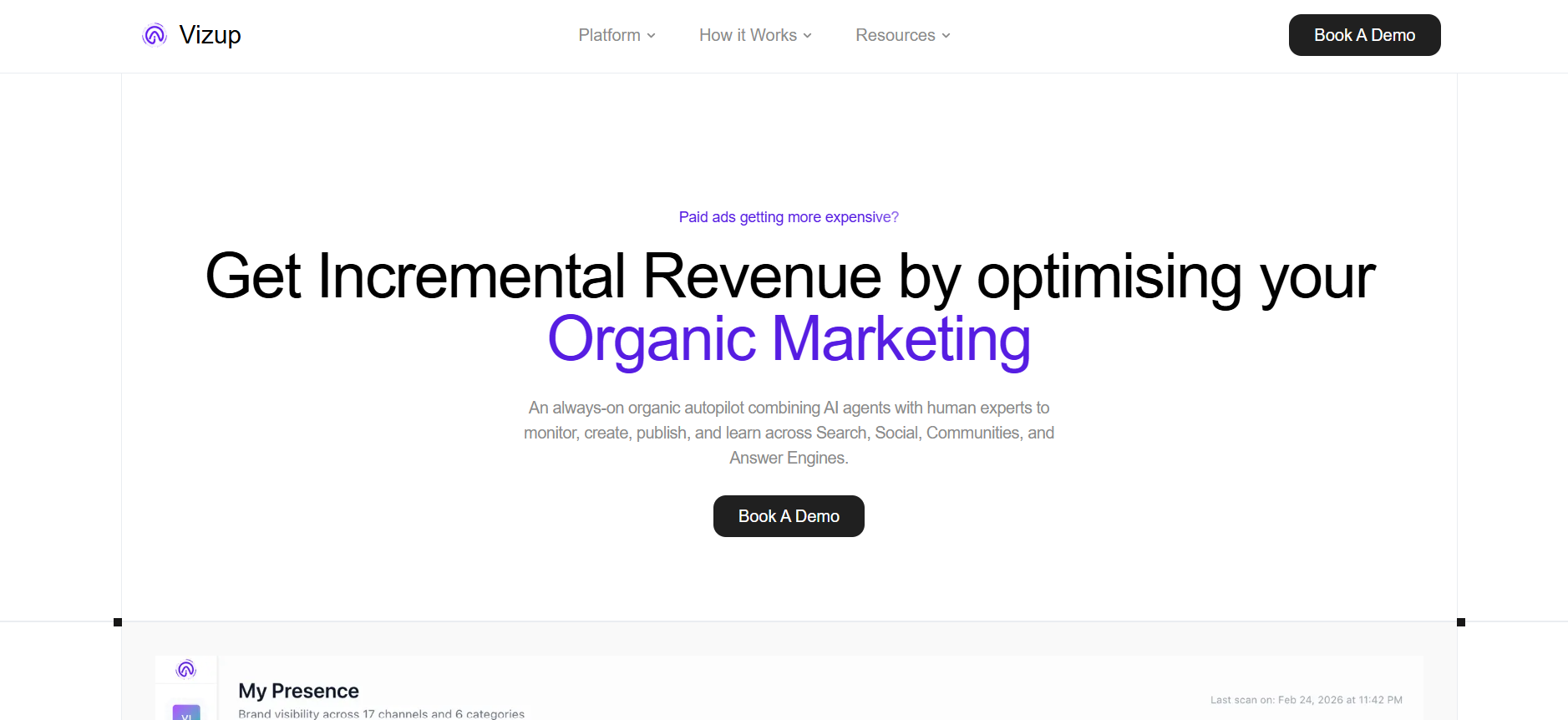
Choose Vizup if: You’re a growth-minded team that wants to improve AI search presence, not just watch it. You want data that immediately turns into next steps, and you want help understanding and executing an AI search visibility optimization strategy.
Search Atlas: The All-in-One for Agencies
Search Atlas takes the platform approach. Rather than shipping a standalone AEO product, it folds GEO, AEO, and LLM visibility into a broad SEO suite. For agencies, that packaging can be the whole point. Paying for Semrush, a local SEO tool, a content optimizer, and then a separate AI visibility product like Profound adds up fast. Search Atlas makes the case that you can keep it under one roof, and do it at a price that’s hard to ignore.
The headline feature is OTTO, an AI agent that can push optimizations straight to your site. If you uncover pages missing meta descriptions, OTTO can generate and implement them. That bias toward execution is the clearest contrast with Profound’s monitoring-first model. Some reviews note the AI output still benefits from human editing and that the platform can feel like a lot on day one, but the consolidation story is strong for teams trying to reduce tool sprawl. It can replace a patchwork of subscriptions, and its LLM visibility tracking has been getting more capable over time.
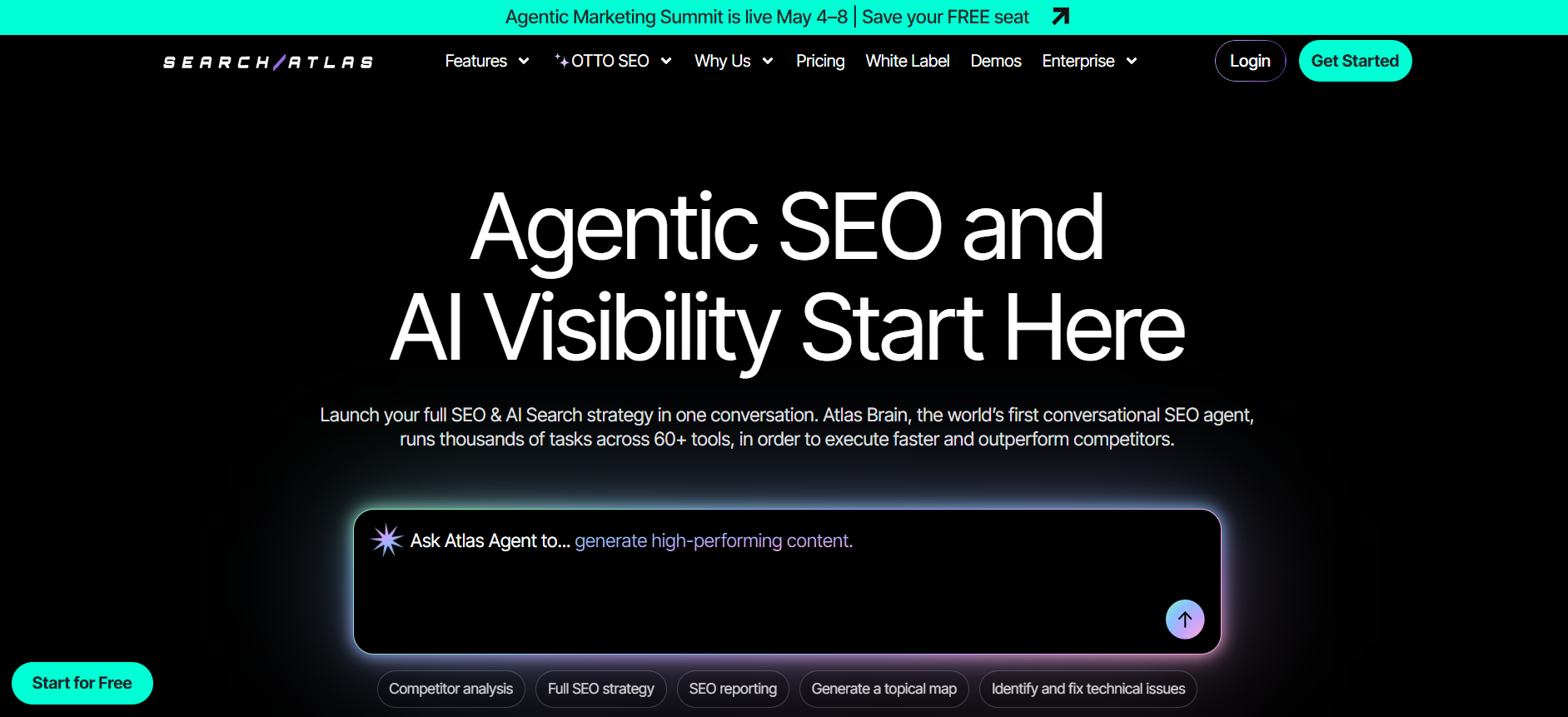
Choose Search Atlas if: You’re an agency (or a team juggling multiple sites) that wants fewer tools and faster execution. Breadth matters to you, and you’re comfortable leaning on automation to move quicker.
AirOps: The Workflow Builder for Content Teams
AirOps doesn’t really sell itself as "an AEO tool." It’s a content operations platform. The thesis is simple: winning in the AI era isn’t about heroic one-off posts; it’s about repeatable workflows that keep shipping. Profound mostly evaluates the output, how you appear in answers. AirOps is focused on the input: the system that produces the content in the first place.
In practice, that means you can assemble workflows that pull keyword data, generate a brief, draft in your brand voice using an AI model, route it for human review, and publish to your CMS. AirOps also offers a free Answer Engine Visibility checker that gives you a feel for the product. It’s less a direct Profound substitute than a different answer to the same problem: if visibility gaps keep appearing, build a content engine that can close them continuously. The trade-off is complexity (workflow tools tend to demand more setup than a pure monitoring dashboard) but teams that like systems will find a lot to work with.
Choose AirOps if: You’re a content-heavy team trying to scale without letting quality slide. You already have an editorial process you trust and want to automate parts of it. Pricing starts with a free plan, with paid tiers based on task volume.
Gushwork: The Done-For-You Service
Gushwork goes in the opposite direction: it’s not software you learn, it’s a service you hire. They use a group of specialized AI agents, with human oversight, to generate inbound leads by getting you featured in search results and AI answers. Instead of handing you charts, they aim to deliver leads. If you want the most execution-heavy alternative to Profound, this is the one that most clearly fits that description.
The service includes building an "AI Feed" of content on your site, creating backlinks, and optimizing for high-intent keywords people use in Google and AI chatbots. It’s positioned for teams that don’t have the time (or the in-house expertise) to run a full AEO program. You define your ideal customer, and they take it from there. The starting price, around $800/month, reflects the fact that you’re paying for a managed service, not a subscription dashboard. If what you want to buy is the outcome (leads) rather than the tooling, the pitch is straightforward.
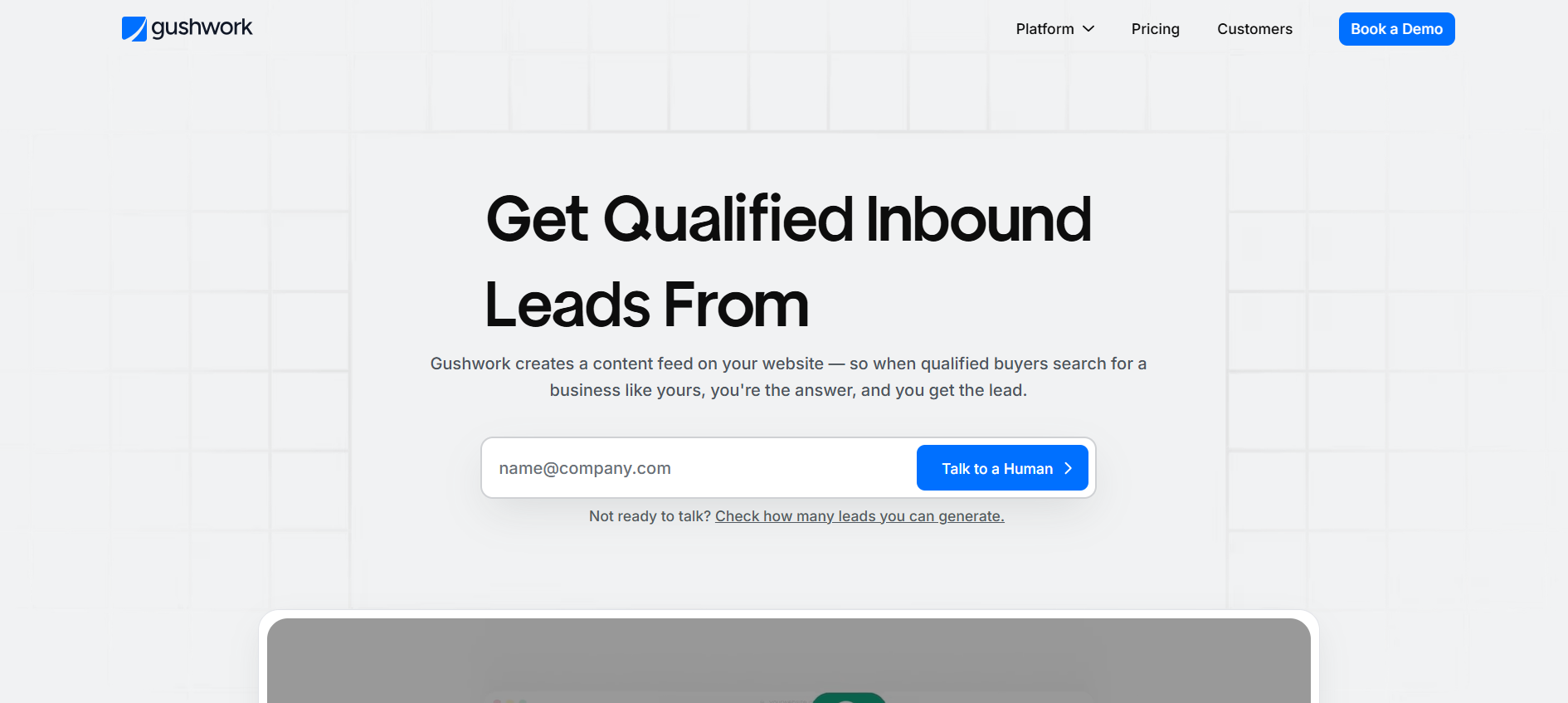
Choose Gushwork if: You’re a founder or small marketing team that would rather outsource AI visibility and lead generation than staff up or add another platform. You want a hands-off service model.
Semrush: The Pragmatic Incumbent
Semrush is one of the big SEO incumbents, and it's impossible to ignore. The company has read the room, shipping AEO and GEO features quickly. Its AI Visibility Toolkit is an add-on that tracks brand presence and citations across multiple AI engines. As a Profound alternative, its simplest advantage is also the most practical one: you may already be paying for the core platform. The real benefit is integration. For the huge number of marketers who open Semrush daily, turning on its AI visibility features is a smaller leap than adopting a new category of tool. The downside is that these capabilities can feel appended rather than native, and the data may not go as deep as a purpose-built tool like Profound.
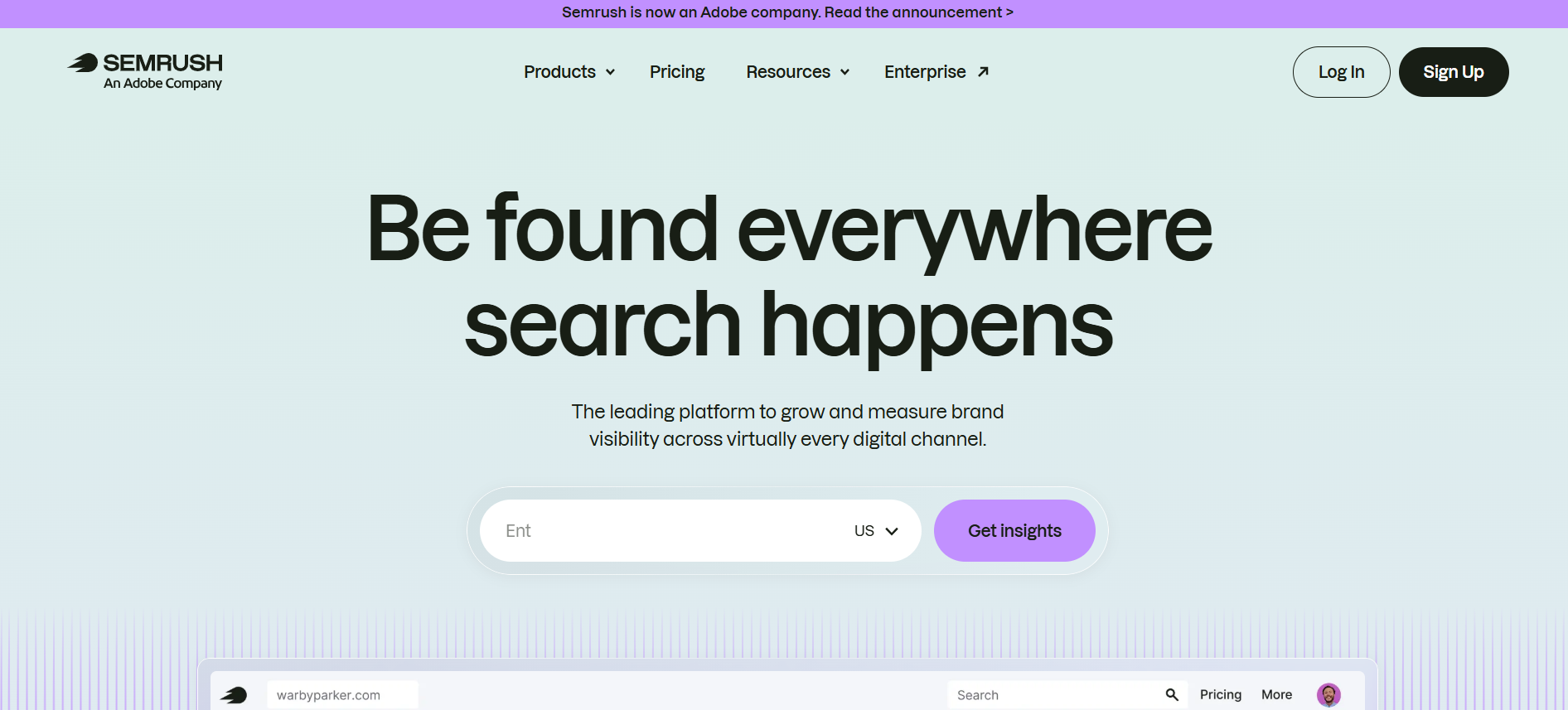
Choose Semrush if: You are already standardized on the Semrush platform for SEO and want to add AI visibility tracking without adopting a new tool. It's a pragmatic choice for teams that prioritize convenience and want to see SEO and AEO data in one place.
BrightEdge: The Enterprise Incumbent
Similarly, BrightEdge is a legacy enterprise SEO platform that has moved into AI visibility. It's built for large teams that need to integrate AI Overviews and GEO tracking into an established workflow. The platform uses its own technology, the BrightEdge Generative Parser, to find content opportunities and guide strategy. Like Semrush, its main appeal for existing customers is consolidation, keeping traditional SEO and AEO reporting under one roof. For enterprises already standardized on BrightEdge, AI-driven search tracking slots into existing processes with minimal disruption.
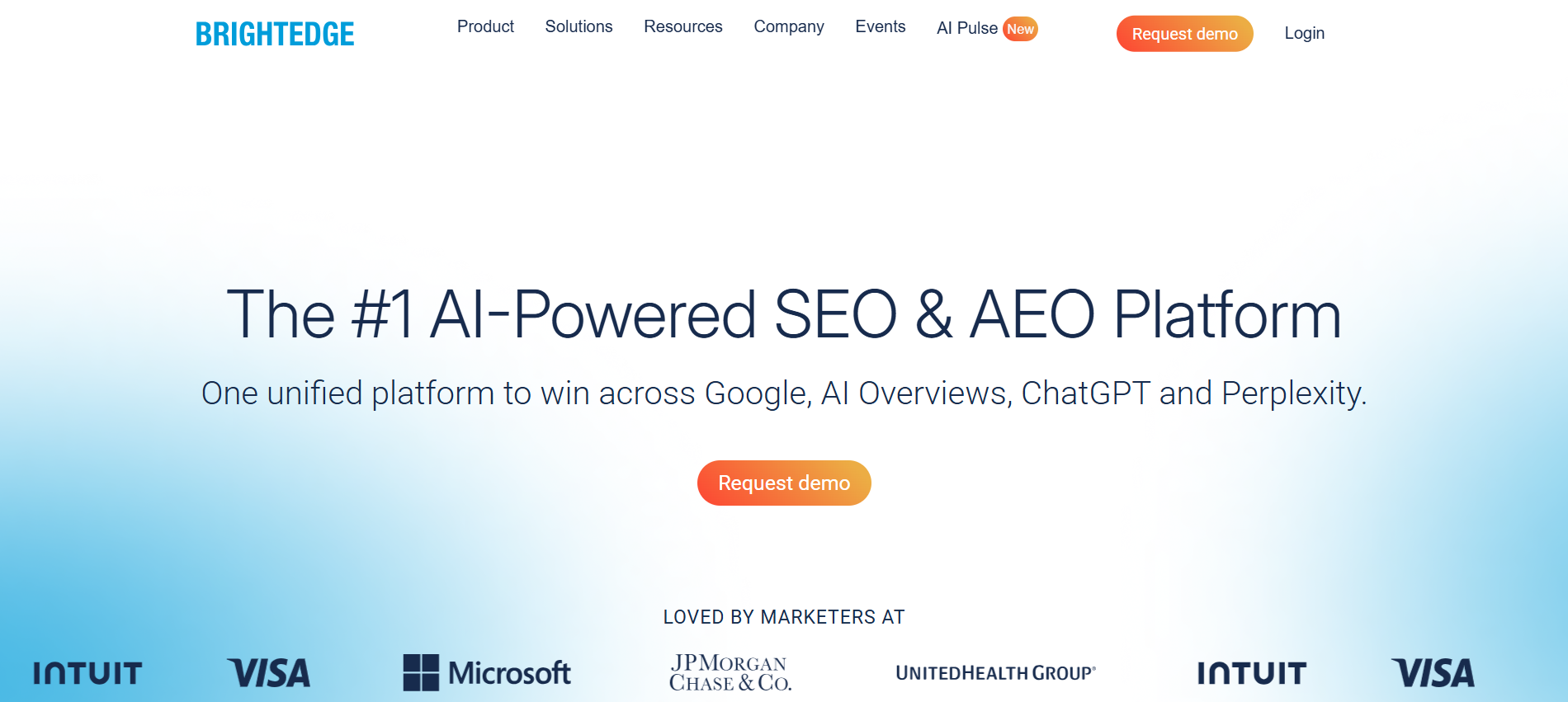
Choose BrightEdge if: You are a large enterprise with an established SEO operation already using the platform. Your primary goal is to add AI visibility data into your existing enterprise reporting and forecasting workflows, and you value analytical depth within a single, integrated suite.
The Verdict: Which Profound Alternative is Right for You?
There’s no universal "best" Profound alternative. The right pick comes down to your team shape, your budget, and whether you need insight, execution, or someone to take the whole problem off your plate.
Here’s the final take: AI search visibility is no longer just a reporting problem. It is an execution problem. Knowing where your brand is missing from ChatGPT, Perplexity, Gemini, and AI Overviews is useful, but it only matters if your team can turn those gaps into better content, stronger citations, and clearer topical authority.
That is where Vizup stands out. While many Profound alternatives focus mainly on tracking, dashboards, or broad SEO workflows, Vizup is built to connect visibility insights with action. It helps you understand where competitors are being cited, what topics you need to cover, which questions your content should answer, and how to create content that has a better chance of being included in AI-generated responses.
For teams that want more than a status update, Vizup is the practical choice. It gives you the visibility data, but more importantly, it gives you the next step. In a search landscape where AI answers are becoming the new discovery layer, the winning tool is not just the one that tells you where you stand. It is the one that helps you improve your position.
See where your brand is missing in AI search and how Vizup can help you close those gaps. Book a demo with Vizup today.
Frequently Asked Questions
What are GEO and AEO, and why do they matter?
GEO (Generative Engine Optimization) and AEO (Answer Engine Optimization) focus on getting your content found, trusted, and cited by AI-driven systems like ChatGPT, Perplexity, and Google’s AI Overviews. Traditional SEO aims for rankings; GEO/AEO aims to be included in the generated answer itself. That shift matters because more users are getting what they need directly from AI responses, skipping the classic search results page.
What’s the biggest drawback of using a tool like Profound?
The recurring critique is that Profound behaves like a monitoring-only platform. It can clearly show where you’re missing in AI visibility, but it offers limited help with the content creation and optimization work required to close those gaps. In practice, teams often need separate tools and processes to act on the insights.
Can I rely on my existing SEO tool like Ahrefs or Semrush instead?
Yes, and for many teams, that’s a reasonable starting point. Semrush (and Ahrefs) are adding AI visibility and AEO features, and the convenience is real. Dedicated AEO platforms, though, are typically designed specifically for how answer engines behave and may provide more targeted tracking and workflows. There’s also a strong relationship between ranking well in Google and being cited by AI, so classic SEO work still matters.
How should I measure ROI for an AEO tool?
The measurement model shifts. Instead of focusing only on rank and traffic, look at share of voice inside AI answers for your priority topics, the volume and quality of citations, and sentiment around how your brand is described. Then connect that to downstream outcomes like brand awareness and lead generation. Some offerings, like Gushwork, tie the work directly to lead volume.
Is AEO just a trend, or does it represent the future of SEO?
It looks less like a fad and more like search changing shape. With AI-augmented search projected to take a significant share of search traffic, treating it as optional is risky. AEO doesn’t replace SEO; it builds on it. The same fundamentals (authoritative, well-structured, genuinely useful content) matter even more when the goal is to be the cited source in an answer. For more context, see our post on why visibility metrics matter.
